
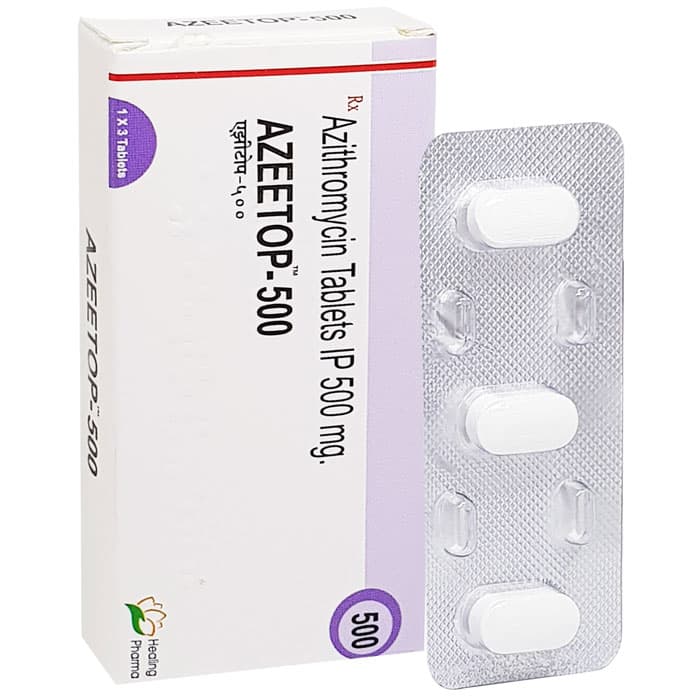
Azithromycin 500 Mg
Generic: Azithromycin
Select Pack Size:
Selected: 120 Tablets
$0.45 total
About Azithromycin 500 Mg
Introduction
Azithromycin 500mg is a broad-spectrum antibiotic used to treat a wide range of bacterial infections. This medication belongs to a class of drugs called macrolide antibiotics and is highly effective against respiratory tract infections, skin infections, ear infections, and certain sexually transmitted infections. Manufactured by reputable generic pharmaceutical companies under strict quality control standards, this formulation meets international safety and efficacy requirements.
Generic Azithromycin offers the same therapeutic benefits as the brand-name version Zithromax at a more affordable price. SafeRxPills provides access to high-quality generic medications for patients across Australia, the UK, USA, and Canada, ensuring that effective antibiotic treatment is accessible to those who need it. Each tablet contains 500mg of azithromycin as the active ingredient, meeting all regulatory standards for pharmaceutical production.
What It Treats
Azithromycin 500mg is prescribed to treat various bacterial infections throughout the body. It is commonly used for respiratory tract infections including bronchitis, pneumonia, sinusitis, and pharyngitis (throat infections). The medication is particularly effective against bacteria that commonly cause these conditions, such as Streptococcus pneumoniae and Haemophilus influenzae.
This antibiotic also treats skin and soft tissue infections, including cellulitis and wound infections. Ear infections (otitis media) in both children and adults respond well to azithromycin treatment. Additionally, it is prescribed for certain sexually transmitted infections, including chlamydia and non-gonococcal urethritis, making it a versatile treatment option for bacterial infections.
Azithromycin is sometimes used to prevent infections in people with weakened immune systems and as part of combination therapy for certain atypical infections. Healthcare providers may also prescribe it for traveller's diarrhoea caused by susceptible bacteria. It is important to note that azithromycin only treats bacterial infections and will not work for viral infections such as the common cold or flu.
How It Works
Azithromycin works by interfering with bacterial protein synthesis, which is essential for bacteria to grow and multiply. The medication binds to the 50S ribosomal subunit of susceptible bacteria, blocking the assembly of proteins that the bacteria need to survive. By preventing protein production, azithromycin stops bacterial growth and allows the body's immune system to eliminate the infection.
Unlike some antibiotics that kill bacteria directly (bactericidal), azithromycin is primarily bacteriostatic, meaning it stops bacteria from reproducing. However, at higher concentrations, it can have bactericidal effects against certain organisms. This mechanism of action is effective against a broad spectrum of gram-positive and gram-negative bacteria, as well as some atypical organisms like Chlamydia and Mycoplasma.
One unique advantage of azithromycin is its ability to concentrate in tissues at levels much higher than in the bloodstream. The medication accumulates in white blood cells, which transport it directly to sites of infection. This tissue concentration, combined with a long half-life, allows azithromycin to remain active in the body for several days after the last dose, providing sustained antibacterial activity.
Dosage and Administration
The standard dosage of Azithromycin 500mg varies depending on the type and severity of infection being treated. For most respiratory tract infections, the typical regimen is 500mg once daily for three days, or alternatively, a single 500mg dose on day one followed by 250mg once daily for days two through five. For sexually transmitted infections like chlamydia, a single 1000mg (two 500mg tablets) dose is often prescribed.
Azithromycin should be taken at the same time each day to maintain consistent levels in the body. The medication can be taken with or without food, though taking it with food may help reduce stomach upset in some people. Swallow the tablet whole with a full glass of water. Do not crush, chew, or break the tablet unless specifically instructed by your healthcare provider.
It is crucial to complete the entire prescribed course of azithromycin, even if symptoms improve before the medication is finished. Stopping treatment early can allow bacteria to continue growing, potentially leading to treatment failure or antibiotic resistance. If you miss a dose, take it as soon as you remember, but if it is almost time for your next dose, skip the missed dose and continue with your regular schedule. Never take a double dose to make up for a missed one.
Patients typically begin to feel improvement within 2 to 3 days of starting treatment, though complete resolution of symptoms may take longer. The medication continues to work for several days after the last dose due to its long tissue half-life. Always follow your healthcare provider's specific dosing instructions, as they may adjust the dosage based on the infection type, severity, and your individual health factors.
Side Effects
Common side effects of Azithromycin 500mg are generally mild and may include nausea, diarrhoea, abdominal pain, and vomiting. These gastrointestinal symptoms occur in approximately 5-10% of patients and typically resolve on their own without requiring treatment discontinuation. Some people may experience headache, dizziness, or fatigue during treatment. These effects are usually temporary and diminish as your body adjusts to the medication.
Less common side effects include changes in taste, loss of appetite, and mild skin rashes. Some patients report experiencing vaginal yeast infections, particularly women, as antibiotics can disrupt the natural balance of bacteria in the body. Temporary hearing changes or ringing in the ears (tinnitus) have been reported but are rare and usually reversible once treatment is completed.
Serious side effects are uncommon but require immediate medical attention. These include severe allergic reactions with symptoms such as difficulty breathing, facial swelling, or severe skin reactions. Irregular heartbeat or palpitations should be reported immediately, as azithromycin can rarely affect heart rhythm, particularly in people with existing heart conditions. Severe diarrhoea that persists or contains blood may indicate a serious intestinal condition called Clostridium difficile-associated diarrhoea.
Contact your healthcare provider if you experience signs of liver problems, including dark urine, persistent nausea, severe stomach pain, yellowing of the skin or eyes, or unusual tiredness. While rare, azithromycin can affect liver function in susceptible individuals. If you develop any concerning symptoms or side effects that persist or worsen, seek medical advice promptly.
Drug Interactions
Azithromycin can interact with several medications, potentially affecting their effectiveness or increasing the risk of side effects. Antacids containing aluminium or magnesium can reduce azithromycin absorption if taken together. If you need to use antacids, take azithromycin at least 1 hour before or 2 hours after the antacid to ensure proper absorption of the antibiotic.
Medications that affect heart rhythm require special caution when combined with azithromycin. These include anti-arrhythmic drugs (such as amiodarone and sotalol), certain antidepressants, and some antipsychotic medications. The combination may increase the risk of a serious heart rhythm disorder called QT prolongation. Your healthcare provider will assess your medication list carefully before prescribing azithromycin.
Azithromycin may interact with warfarin and other blood thinners, potentially increasing bleeding risk. If you take anticoagulants, your doctor may need to monitor your blood clotting times more frequently during azithromycin treatment. The antibiotic can also affect levels of digoxin, cyclosporine, and certain cholesterol-lowering medications, requiring dose adjustments or additional monitoring.
Always inform your healthcare provider about all medications you are taking, including prescription drugs, over-the-counter medicines, vitamins, and herbal supplements. This includes ergot derivatives used for migraine headaches, as combining these with azithromycin can cause serious blood vessel problems. Your pharmacist can also provide guidance on potential interactions and appropriate timing of medications.
Precautions and Warnings
Before taking Azithromycin 500mg, inform your healthcare provider if you have any allergies to macrolide antibiotics or similar medications such as erythromycin, clarithromycin, or telithromycin. People who have experienced allergic reactions to these antibiotics should not take azithromycin. Symptoms of serious allergic reactions include severe rash, swelling, difficulty breathing, or anaphylaxis, which requires immediate emergency medical attention.
Patients with heart conditions should use azithromycin with caution. Those with a history of QT prolongation, irregular heartbeat, heart failure, slow heart rate, or electrolyte imbalances (low potassium or magnesium) may be at increased risk of serious heart rhythm problems. Inform your doctor about any personal or family history of heart disease before starting treatment. Your healthcare provider may recommend an electrocardiogram (ECG) to assess your heart rhythm before prescribing azithromycin.
Individuals with liver or kidney disease require special monitoring while taking azithromycin. The medication is processed primarily by the liver, so those with liver impairment may need dose adjustments or should avoid azithromycin altogether. People with myasthenia gravis should use this antibiotic cautiously, as it may worsen muscle weakness. Pregnant women should only use azithromycin when clearly needed, and breastfeeding mothers should discuss the risks and benefits with their healthcare provider, as small amounts pass into breast milk.
Antibiotic use can lead to antibiotic resistance if not used appropriately. Only take azithromycin for bacterial infections as prescribed by your healthcare provider. Do not share your medication with others or use leftover antibiotics for future infections. If diarrhoea develops during or after treatment, especially if severe or persistent, contact your doctor, as this could indicate a serious intestinal infection. Avoid prolonged sun exposure while taking azithromycin, as it may increase sensitivity to sunlight in some individuals.
Shipping and Availability
SafeRxPills offers convenient access to Azithromycin 500mg through our licensed online pharmacy platform. We understand that obtaining prescription antibiotics should be straightforward and affordable, which is why we provide competitive pricing on high-quality generic medications. All products are sourced from reputable manufacturers that comply with international pharmaceutical standards, ensuring you receive safe and effective treatment.
Our ordering process is secure and confidential, protecting your personal health information throughout the transaction. Once your order is placed and your prescription is verified, we process shipments promptly to minimize wait times. We offer tracked shipping services so you can monitor your package from dispatch to delivery, providing peace of mind throughout the process.
Men and women across the USA, UK, Australia and Canada order Azithromycin 500mg from SafeRxPills with discreet, tracked delivery in plain packaging. Most orders arrive within 7 to 14 days.
Related Products
Browse our full Antibiotics range. Available options include Azithromycin 500mg (macrolide, respiratory infections). Always complete the full prescribed antibiotic course.
Related Guides
Key Information
- ✓Active Ingredient: Azithromycin
- ✓Category: Antibiotics
- ✓Form: tablet
- ✓Brand Equivalent: Azithromycin