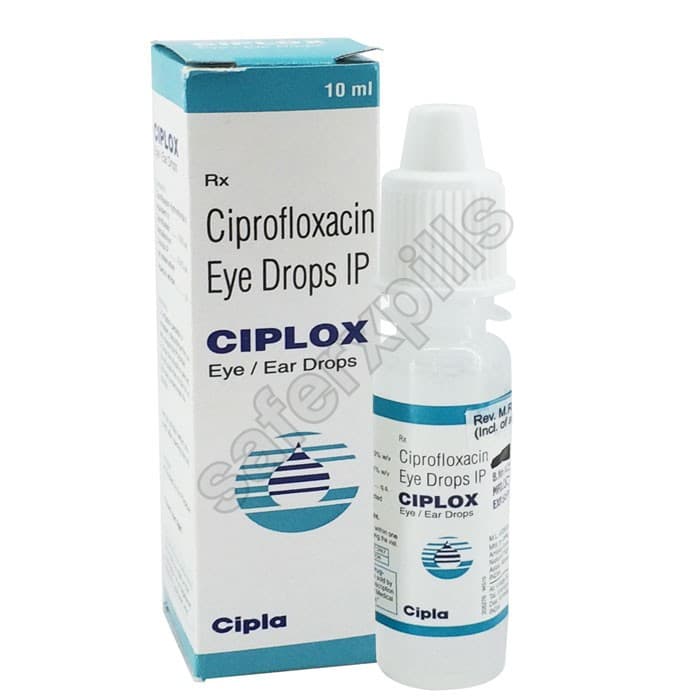
About Ciplox Eye Drops (Ciprofloxacin)
Introduction
Ciplox Eye Drops contain Ciprofloxacin, a powerful fluoroquinolone antibiotic specifically formulated for treating bacterial eye infections. Each 10ml bottle delivers targeted treatment directly to the affected area, providing fast relief from symptoms while eliminating the infection. This ophthalmic solution is designed to combat a wide range of bacteria that commonly cause eye infections, making it a trusted first-line treatment for conditions like conjunctivitis and corneal ulcers.
Manufactured by Cipla Limited, one of India's largest and most respected pharmaceutical companies, Ciplox Eye Drops meet stringent international quality standards. Cipla has over 85 years of experience producing high-quality generic medications and supplies medicines to more than 170 countries worldwide. The company maintains WHO-GMP certified manufacturing facilities and adheres to strict regulatory guidelines, ensuring every bottle of Ciplox delivers consistent, reliable treatment for bacterial eye infections.
What It Treats
Ciplox Eye Drops are primarily prescribed for bacterial conjunctivitis, commonly known as pink eye. This highly contagious infection causes redness, itching, discharge, and discomfort in one or both eyes. The ciprofloxacin formulation effectively targets the bacteria responsible for these symptoms, providing relief within 24 to 48 hours of starting treatment while preventing the infection from spreading to others.
These eye drops are also effective against corneal ulcers, serious bacterial infections that can damage the clear front surface of the eye. Left untreated, corneal ulcers can lead to vision loss, making prompt antibiotic treatment essential. Ciplox penetrates the corneal tissue effectively, delivering high concentrations of the antibiotic directly to the site of infection.
Additional conditions treated include blepharitis (eyelid inflammation), keratitis (inflammation of the cornea), and dacryocystitis (infection of the tear sac). Ciplox is particularly effective against gram-negative bacteria including Pseudomonas aeruginosa, Staphylococcus aureus, Streptococcus pneumoniae, and Haemophilus influenzae. These are among the most common pathogens responsible for eye infections worldwide.
Ciplox may also be used prophylactically following eye surgery or injury to prevent bacterial infections from developing. Your healthcare provider may recommend it after procedures like cataract surgery, LASIK, or for preventing infection in minor eye injuries where the protective barrier of the eye has been compromised.
How It Works
Ciprofloxacin belongs to the fluoroquinolone class of antibiotics, which work by interfering with bacterial DNA replication. Specifically, ciprofloxacin inhibits two critical enzymes: DNA gyrase and topoisomerase IV. These enzymes are essential for bacteria to unwind, copy, and repair their DNA during cell division and growth.
When these enzymes are blocked, bacteria cannot replicate their genetic material or divide properly. This leads to bacterial cell death and prevents the infection from spreading. Unlike antibiotics that merely slow bacterial growth, ciprofloxacin is bactericidal, meaning it actively kills bacteria rather than just inhibiting their reproduction. This results in faster resolution of infection symptoms and reduced risk of antibiotic resistance developing.
The ophthalmic formulation of Ciplox is specially designed to be compatible with the delicate tissues of the eye. The solution has a pH and osmolality that matches tear fluid, ensuring comfort upon application while maintaining the antibiotic's effectiveness. When applied as directed, ciprofloxacin achieves therapeutic concentrations in the aqueous humor, cornea, and conjunctiva within minutes, providing targeted treatment exactly where it's needed.
Ciprofloxacin demonstrates excellent penetration into ocular tissues and has a broad spectrum of activity against both gram-positive and gram-negative bacteria. This makes it particularly valuable when the specific bacterial cause hasn't been identified, allowing treatment to begin immediately while laboratory cultures are processed. The medication remains active in eye tissues for several hours after each application, providing sustained antibacterial protection throughout the day.
Dosage and Administration
For bacterial conjunctivitis, the typical dosage is one to two drops in the affected eye(s) every two hours while awake for the first two days. After the initial intensive treatment period, reduce the frequency to one to two drops every four hours while awake for the next five days. Most patients complete a seven-day course of treatment, though your healthcare provider may adjust this based on the severity of infection and response to therapy.
For corneal ulcers, more aggressive dosing is required due to the serious nature of the condition. On Day 1, instill two drops into the affected eye every 15 minutes for the first six hours, then two drops every 30 minutes for the remainder of the day. On Day 2, instill two drops hourly. From Days 3 through 14, apply two drops every four hours. Your ophthalmologist will monitor healing progress and may adjust the duration based on ulcer resolution.
To properly administer Ciplox Eye Drops, first wash your hands thoroughly. Tilt your head back and pull down your lower eyelid to create a small pocket. Hold the dropper above the eye without touching it, and squeeze gently to release the prescribed number of drops. Close your eye for one to two minutes and apply gentle pressure to the inner corner of the eye near the nose. This prevents the medication from draining through the tear duct and increases absorption. Wait at least five minutes before applying any other eye medications.
Important administration tips: Never touch the dropper tip to your eye, fingers, or any surface, as this can contaminate the solution. If you wear contact lenses, remove them before applying Ciplox and wait at least 15 minutes before reinserting them. Complete the full course of treatment even if symptoms improve, as stopping early can lead to antibiotic resistance and infection recurrence. Store the bottle at room temperature away from direct sunlight, and discard 28 days after first opening or after completing treatment, whichever comes first.
Side Effects
Most patients tolerate Ciplox Eye Drops well, with side effects typically being mild and temporary. The most common reaction is temporary stinging or burning sensation immediately after application, affecting approximately 10-15% of users. This usually subsides within a few seconds to a minute. Other frequent side effects include mild eye discomfort, itching, redness, or a feeling of having something in the eye. Some patients notice a white crystalline precipitate forming in the superficial portion of the corneal defect during treatment, particularly with corneal ulcers, but this typically resolves without intervention.
Less common side effects include blurred vision, excessive tearing, eye dryness, increased light sensitivity, or eyelid crusting. Some patients report an unpleasant taste in the mouth shortly after application due to drainage through the tear ducts into the nasal passages and throat. Mild conjunctival hyperemia (increased blood vessel visibility) may occur but usually indicates the body's natural healing response rather than an adverse reaction to the medication.
Serious side effects are rare but require immediate medical attention. Contact your healthcare provider immediately if you experience severe eye pain, vision changes or vision loss, increased eye redness or swelling, or signs of an allergic reaction such as rash, facial swelling, difficulty breathing, or severe dizziness. Though extremely uncommon with ophthalmic use, fluoroquinolones have been associated with tendon problems and peripheral neuropathy when taken systemically; if you notice unusual muscle or joint pain or numbness, seek medical evaluation.
Prolonged use of antibiotic eye drops can lead to superinfection with resistant bacteria or fungi. If your symptoms worsen after initial improvement or if you develop new symptoms like increased discharge or pain after several days of treatment, contact your eye care provider. Never share your eye drops with others, even if they have similar symptoms, as this can spread infection and contribute to antibiotic resistance.
Drug Interactions
Because Ciplox Eye Drops are applied topically and achieve minimal systemic absorption, significant drug interactions are uncommon. However, certain considerations apply, particularly when using multiple eye medications simultaneously. If you're prescribed other ophthalmic preparations such as eye drops or ointments, maintain at least a five-minute interval between applications to prevent dilution and ensure each medication has adequate contact time with eye tissues. Always apply eye drops before eye ointments, as ointments create a barrier that can prevent drop absorption.
While systemic interactions are unlikely with ophthalmic use, inform your healthcare provider about all medications you're taking, including oral fluoroquinolones or other antibiotics. Taking multiple fluoroquinolone antibiotics simultaneously (whether systemic or topical) may theoretically increase the risk of side effects without providing additional therapeutic benefit. Your provider can determine if adjustments to your treatment regimen are necessary.
Patients taking systemic medications that affect blood clotting, such as warfarin or other anticoagulants, should be monitored, as some reports suggest fluoroquinolones may enhance anticoagulant effects when taken systemically. Though this risk is minimal with eye drops, inform your doctor if you're on blood thinners. Similarly, while not typically problematic with topical use, fluoroquinolones can interact with certain medications that affect heart rhythm; notify your healthcare provider if you take medications for cardiac arrhythmias.
Avoid using corticosteroid eye drops concurrently with Ciplox unless specifically prescribed by your eye care provider. While sometimes used together under medical supervision, steroids can mask infection symptoms and potentially worsen certain eye infections. Never self-medicate with steroid eye drops while treating a bacterial infection. Additionally, some artificial tears or eye lubricants containing preservatives may interact with ciprofloxacin; if you need lubricating drops, choose preservative-free formulations or consult your pharmacist about compatibility.
Precautions and Warnings
Allergic reactions to fluoroquinolone antibiotics, though rare, can be serious. Do not use Ciplox Eye Drops if you have a known allergy to ciprofloxacin, other fluoroquinolones (such as levofloxacin, moxifloxacin, or ofloxacin), or any inactive ingredients in the formulation. Patients who have experienced severe allergic reactions to any antibiotic should inform their healthcare provider before starting treatment. Signs of an allergic reaction include severe itching, swelling of the eyes, face, or throat, difficulty breathing, or development of a rash.
Pregnancy and breastfeeding: Ciplox Eye Drops are classified as Pregnancy Category C, meaning studies in animals have shown adverse effects but adequate human studies are lacking. While systemic absorption from eye drops is minimal, pregnant women should use ciprofloxacin only if clearly needed and after discussing potential risks and benefits with their healthcare provider. Small amounts of fluoroquinolones can pass into breast milk, though topical ophthalmic use results in negligible systemic levels. Nursing mothers should consult their doctor, and if treatment is necessary, consider temporarily avoiding breastfeeding for the duration of therapy or taking precautions to minimize infant exposure.
Pediatric use: Ciplox Eye Drops can be used in children, including infants, for bacterial conjunctivitis and corneal ulcers. However, dosing and duration may differ from adult regimens, so follow your pediatrician's or pediatric ophthalmologist's instructions precisely. Keep the bottle out of children's reach when not in use, and supervise application in young children to ensure proper administration and prevent accidental ingestion. While systemic fluoroquinolones have raised concerns about cartilage damage in growing children, topical ophthalmic use has not been associated with these risks due to minimal systemic absorption.
Additional precautions: Do not use Ciplox to treat viral or fungal eye infections, as it is effective only against bacteria and inappropriate use contributes to antibiotic resistance. If you have a history of seizures or conditions that lower the seizure threshold, discuss this with your doctor, as fluoroquinolones have rarely been associated with seizures. Patients with a history of tendon disorders should also inform their healthcare provider, though tendon problems are primarily associated with oral fluoroquinolones. Avoid touching the dropper tip to any surface, including your eye, to prevent contamination. If the solution changes color or becomes cloudy, do not use it. Discard the bottle 28 days after first opening even if medication remains, as the preservative system may no longer be effective beyond this point. If your symptoms don't improve within three days or worsen at any time during treatment, contact your eye care provider for re-evaluation.
Shipping and Availability
Men across the USA, UK, Australia and Canada order Ciplox Eye Drops (Ciprofloxacin) from SafeRxPills with discreet, tracked delivery in plain packaging. Most orders arrive within 7 to 14 days.
Related Products
Browse our full Eye Care range. For eyelash growth: Careprost 3ml Eye Drops (Bimatoprost 0.03% by Sun Pharma).
Related Guides
Key Information
- ✓Active Ingredient: Ciprofloxacin
- ✓Category: Eye Care
- ✓Form: Eye Drop
- ✓Brand Equivalent: Cipla Limited