About Cyclodose 50mg Capsule
Introduction
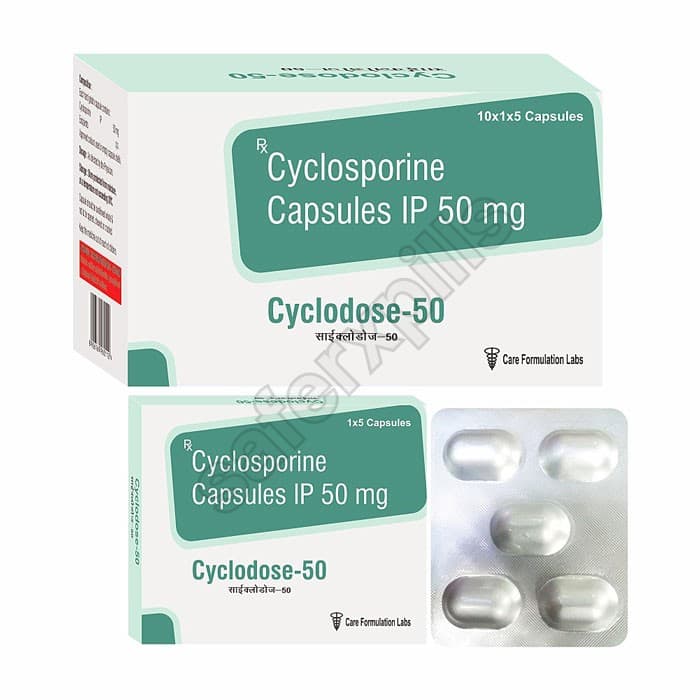
Cyclodose 50mg Capsule contains cyclosporine, a powerful immunosuppressive medication used to prevent organ rejection in transplant patients and to treat certain autoimmune conditions. Manufactured by Care Formulation Labs Pvt Ltd, this medication is prescribed to help patients who have received kidney, liver, or heart transplants maintain their new organ by suppressing the immune system's natural response to attack foreign tissue.
Care Formulation Labs is a reputable pharmaceutical manufacturer committed to producing high-quality generic medications that meet stringent international standards. Cyclodose provides an effective and more affordable alternative to brand-name cyclosporine products while maintaining the same therapeutic benefits and safety profile.
What This Medication Does
Cyclosporine belongs to a class of medications called calcineurin inhibitors. It works by suppressing the activity of T-lymphocytes, which are white blood cells that play a central role in the immune system's response to foreign substances. In transplant patients, the immune system recognizes the new organ as foreign and attempts to attack and destroy it. Cyclosporine prevents this rejection by reducing the immune system's ability to mount this attack.
Specifically, cyclosporine inhibits the production of interleukin-2 (IL-2), a chemical messenger that signals T-cells to multiply and attack. By blocking this signal, cyclosporine effectively reduces the immune response without completely eliminating it, allowing the body to maintain some defense against infections while protecting the transplanted organ.
Beyond transplant medicine, cyclosporine is also used to treat severe rheumatoid arthritis that hasn't responded to other treatments, severe psoriasis, and certain cases of nephrotic syndrome. In these autoimmune conditions, the immune system mistakenly attacks the body's own tissues, and cyclosporine helps reduce this inappropriate immune response.
As a generic version of cyclosporine, Cyclodose 50mg offers the same active ingredient, dosage strength, and therapeutic effect as brand-name versions. Generic medications undergo rigorous testing to demonstrate bioequivalence, meaning they are absorbed and work in the body the same way as the original brand. This allows patients to access essential immunosuppressive therapy at a significantly reduced cost without compromising on quality or effectiveness.
How to Use
Take Cyclodose 50mg Capsule exactly as prescribed by your transplant specialist or physician. This medication requires careful dosing and monitoring to maintain the right balance between preventing organ rejection and minimizing side effects. Never adjust your dose without consulting your doctor, as even small changes can significantly impact your transplant's success or disease management.
Swallow the capsule whole with a glass of water. Do not crush, chew, or open the capsule. For best results, take cyclosporine at the same time each day to maintain consistent blood levels. You may take it with or without food, but be consistent—if you take it with food one day, continue taking it with food every day. Avoid grapefruit and grapefruit juice entirely while taking this medication, as they can increase cyclosporine levels in your blood to dangerous levels.
If you are taking cyclosporine twice daily, space the doses approximately 12 hours apart. Set reminders or alarms to help you remember to take your medication, as missing doses can lead to organ rejection in transplant patients. If you miss a dose, take it as soon as you remember unless it's almost time for your next dose. Never double up on doses to make up for a missed one.
Your doctor will schedule regular blood tests to monitor your cyclosporine levels, kidney function, liver function, blood pressure, and overall health. These monitoring appointments are essential and should never be skipped. Your dose may be adjusted based on these test results, your response to treatment, and any side effects you experience.
Dosage Information
Cyclosporine dosing is highly individualized and depends on the type of transplant, your body weight, kidney function, other medications you're taking, and your blood cyclosporine levels. There is no standard dose that applies to everyone. Your transplant team will calculate your specific dose and adjust it over time based on therapeutic drug monitoring.
For organ transplant patients, initial doses typically range from 10 to 15 mg per kilogram of body weight per day, divided into two doses taken 12 hours apart. This high initial dose is gradually reduced over several weeks to months to a maintenance dose, which typically ranges from 3 to 10 mg per kilogram per day. The Cyclodose 50mg capsule strength allows for flexible dosing combinations to achieve your prescribed total daily dose.
For rheumatoid arthritis, the usual starting dose is 2.5 mg per kilogram of body weight per day, divided into two doses. After 8 weeks, if response is insufficient and tolerability is good, the dose may be increased by 0.5 to 0.75 mg per kilogram per day. Maximum recommended dose is 4 mg per kilogram per day. For psoriasis, similar dosing applies, starting at 2.5 mg per kilogram per day divided into two doses, with possible increases after 4 weeks if needed.
Elderly patients and those with kidney or liver problems may require lower doses. Children's doses are calculated based on body weight and surface area. Always follow your doctor's specific dosing instructions, and never change your dose based on information you read or advice from non-medical sources. Your dose is unique to you and your medical situation.
Side Effects
Like all immunosuppressive medications, cyclosporine can cause side effects, though not everyone experiences them. Common side effects include increased hair growth on the face and body, tremor or shaking of the hands, high blood pressure, kidney problems, swollen or bleeding gums, headache, and increased susceptibility to infections. Many of these side effects are dose-related and may improve as your dose is adjusted.
Gastrointestinal side effects such as nausea, vomiting, diarrhea, and abdominal discomfort are relatively common, especially when first starting treatment. Elevated cholesterol and triglyceride levels may occur. Some patients experience numbness or tingling in the hands or feet. Cosmetic changes like excessive hair growth (hirsutism) and gum overgrowth (gingival hyperplasia) can be distressing but are manageable with good dental hygiene and, if necessary, adjustments to treatment.
Serious side effects require immediate medical attention and include: signs of infection such as fever, persistent sore throat, or unusual fatigue; signs of kidney problems like changes in urine output or swelling in the legs or feet; severe or persistent headaches; vision changes; seizures; signs of liver problems such as yellowing of the skin or eyes, dark urine, or severe abdominal pain; unusual bleeding or bruising; chest pain; or signs of high blood sugar like increased thirst and urination.
Long-term use of cyclosporine increases the risk of developing certain cancers, particularly skin cancers and lymphomas, due to immune suppression. Protect your skin from sun exposure by wearing protective clothing and using high-SPF sunscreen. Regular monitoring by your healthcare team helps detect and manage potential complications early. Report any new or unusual symptoms to your doctor promptly, no matter how minor they seem.
Precautions
Before taking Cyclodose 50mg Capsule, inform your doctor about all medical conditions you have, particularly kidney disease, liver disease, high blood pressure, any current infections, or a history of cancer. Cyclosporine can worsen kidney function and must be used cautiously in patients with pre-existing kidney problems. Your doctor will perform baseline kidney and liver function tests before starting treatment and monitor these regularly throughout therapy.
Cyclosporine has numerous significant drug interactions. Tell your doctor about all medications you take, including prescription drugs, over-the-counter medicines, herbal supplements, and vitamins. Medications that can increase cyclosporine levels (raising toxicity risk) include certain antibiotics (erythromycin, clarithromycin), antifungals (ketoconazole, fluconazole), calcium channel blockers (diltiazem, verapamil), and many others. Drugs that decrease cyclosporine levels (risking rejection) include certain anti-seizure medications, antibiotics like rifampin, and St. John's Wort. Never start or stop any medication without consulting your transplant team.
Avoid receiving live vaccines while taking cyclosporine, as your suppressed immune system may not respond appropriately and the vaccine could cause infection. Discuss vaccination needs with your doctor. Practice good hygiene and avoid contact with people who have infections. Because cyclosporine suppresses your immune system, you're more vulnerable to infections, and even common illnesses can become serious.
If you are pregnant, planning to become pregnant, or breastfeeding, discuss this with your doctor. Cyclosporine can pass into breast milk and may harm a nursing baby. Women of childbearing age should use effective contraception during treatment. Limit alcohol consumption as it may increase the risk of liver problems. Regular dental care is important to help prevent gum overgrowth. Attend all scheduled medical appointments and laboratory tests—these are crucial for safe and effective treatment.
Shipping and Availability
Patients across the USA, UK, Australia, and Canada order Cyclodose 50mg Capsule from SafeRxPills with discreet, tracked delivery in plain packaging. Most orders arrive within 7 to 14 days.
Related Products
Browse our full Eye Care range. For eyelash growth: Careprost 3ml Eye Drops (Bimatoprost 0.03% by Sun Pharma).
Related Guides
Key Information
- ✓Active Ingredient: Cyclosporine
- ✓Category: Eye Care
- ✓Form: Capsule
- ✓Brand Equivalent: Care Formulation Labs Pvt Ltd